


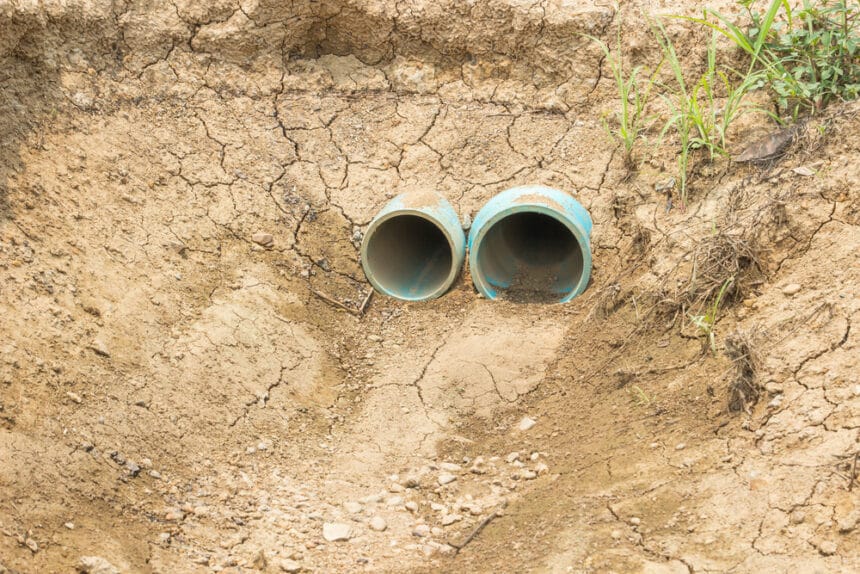
Summer heat can have a significant impact on the ground beneath your property. In areas with clay-heavy soil, prolonged dry weather may cause the soil to shrink as moisture evaporates. While this natural process often goes unnoticed at first, it can contribute to movement beneath driveways, walkways, and even underground utility lines.
Understanding how clay soil behaves during hot weather can help homeowners identify potential issues early and protect important exterior features.
What Is Clay Soil Shrinkage?
Clay soil expands when it absorbs moisture and contracts when it dries out. During extended periods of summer heat and limited rainfall, the moisture content in the soil decreases, causing the ground to shrink.
This shrinking can create gaps, voids, and uneven support beneath concrete surfaces. Over time, these changes may affect the stability of driveways, sidewalks, patios, and buried infrastructure.
Because soil conditions vary from property to property, the effects can range from minor cosmetic changes to more noticeable movement.
How Shrinking Soil Can Affect Concrete Driveways
A driveway relies on a stable foundation to support the weight of vehicles and withstand seasonal weather changes. When the soil beneath a driveway shifts or loses volume, the concrete above may experience uneven support.
Common Signs of Movement
Homeowners may notice:
- Surface cracking
- Uneven sections of concrete
- Minor settlement in certain areas
- Separation between concrete sections
- Changes in drainage patterns
Not every crack is caused by clay soil shrinkage, but prolonged ground movement can increase stress on concrete surfaces.
Working with an experienced concrete contractor North York homeowners trust can help identify potential issues and recommend appropriate solutions when driveway concerns arise.
The Connection Between Soil Movement and Water Lines
Underground water lines are also affected by shifting soil conditions. As clay soil contracts, it can create additional pressure points or unsupported areas around buried pipes. Depending on the age, depth, and condition of the water line, soil movement may contribute to stress on underground infrastructure over time.
Potential Warning Signs
Property owners should watch for:
- Unexplained wet spots in the yard
- Changes in water pressure
- Areas of sinking soil
- Increased water usage
- Visible cracks near utility pathways
While these signs do not automatically indicate water line damage, they may warrant further investigation.
Why Proper Site Preparation Matters
One of the most important factors in concrete performance is proper preparation before installation.
Concrete One Ltd. provides residential and commercial concrete services throughout Toronto and the GTA, including driveways, walkways, patios, decorative concrete, and stamped concrete applications. Proper site preparation and installation practices help create durable concrete surfaces designed to perform over time.
Reducing the Impact of Summer Soil Movement
Although weather cannot be controlled, homeowners can take steps to help manage the effects of seasonal soil changes.
Helpful Maintenance Practices
- Monitoring drainage around the property
- Directing downspouts away from foundations and driveways
- Addressing standing water issues
- Inspecting concrete surfaces regularly
- Watching for signs of settlement or movement
Is It Time to Seek Professional Advice?
If you notice cracking, settlement, uneven concrete surfaces, or signs of underground utility concerns, it may be beneficial to consult a qualified professional.
Concrete One Ltd., an experienced concrete contractor that hundreds of North York property owners have worked, with can assess existing conditions and help determine whether repairs, maintenance, or replacement may be appropriate.